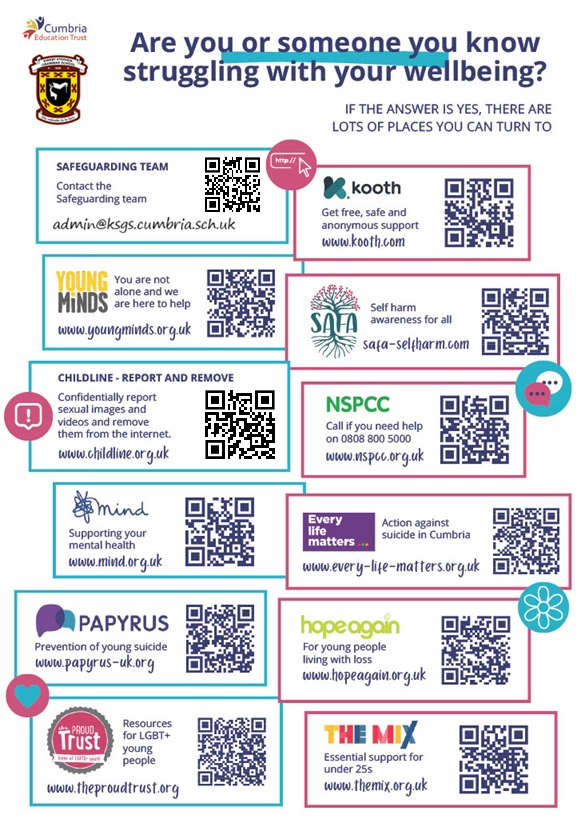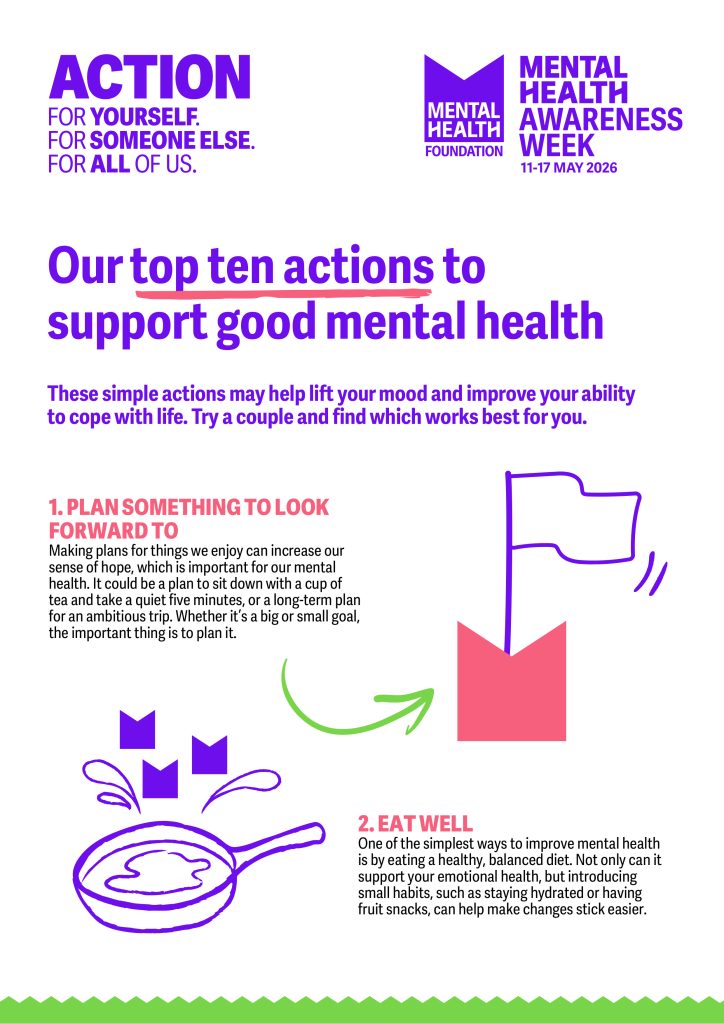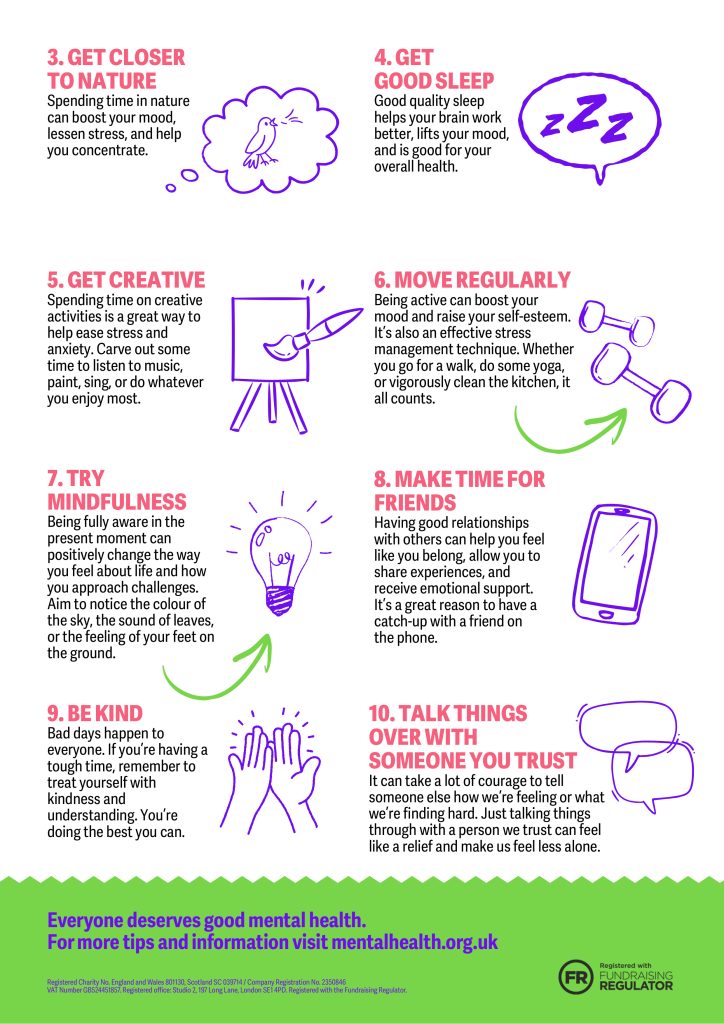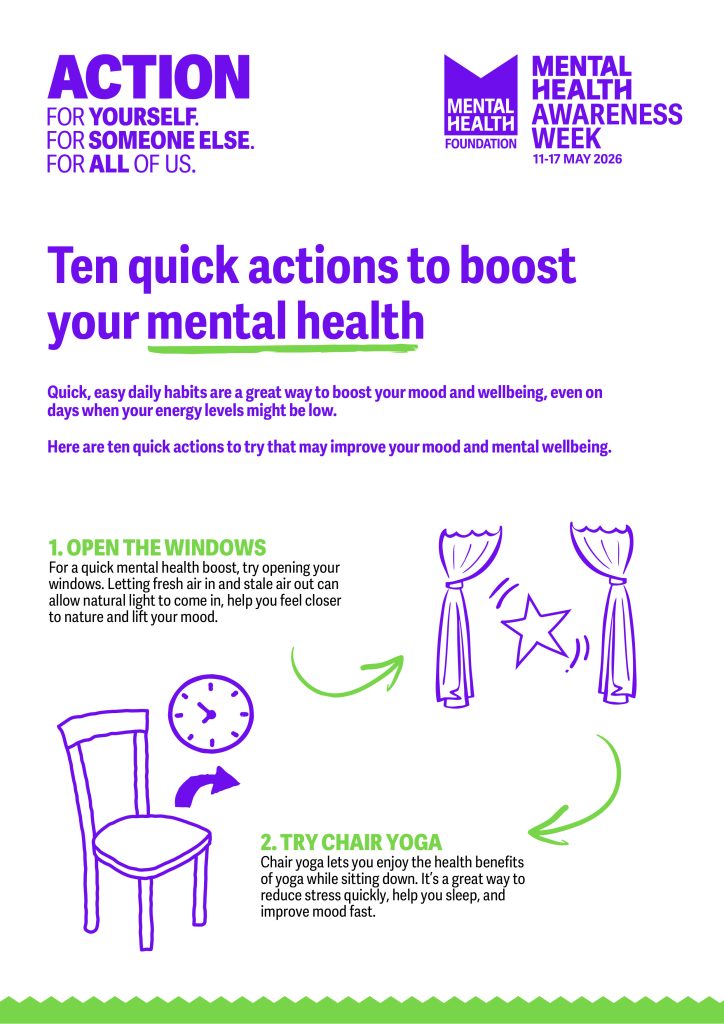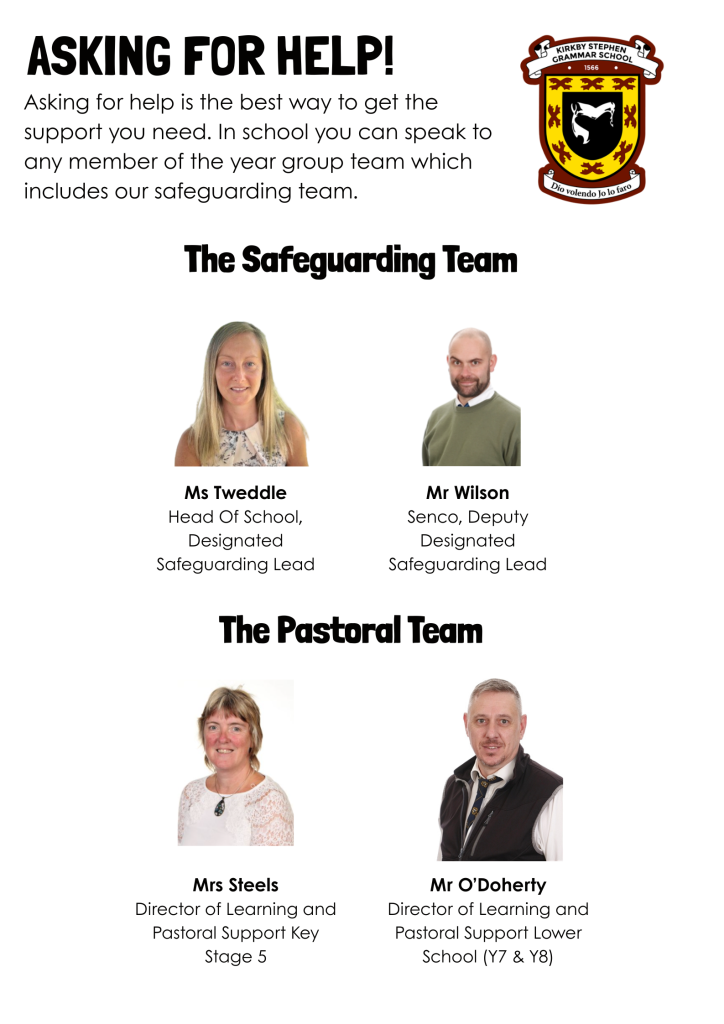

We all know that exams can be an extremely challenging and stressful time. If you’re struggling to manage your mood or anxiety levels, don’t keep it to yourself. Friends and family members can be a great source of support, as well as your Year Group Manager, who is a trained Mental Health First Aider.
These websites have lots of advice on taking care of yourself during revision, examinations, and waiting for the results:

https://www.bbc.com/bitesize/support – Whether you’re revising, waiting for your exam results, prepping for a job interview or just feeling a bit stressed, we’ve asked those who’ve been through it to share their wisdom.

https://youngminds.org.uk/blog/exam-self-care/ – While revising for exams, we’re often advised to take time out and look after our mental health but how can we do this? Our activist, Rose, shares her favourite ways.
https://youngminds.org.uk/blog/bbc-learning-launches-the-mind-set/ – The Mind Set provides information and support on how to manage exam stress. Advice comes from 12 trusted student coaches who have been through it before. They have made videos about their experiences, including about looking after their mental health, and they have also shared their stories with listeners on Radio 1’s Live Surgery

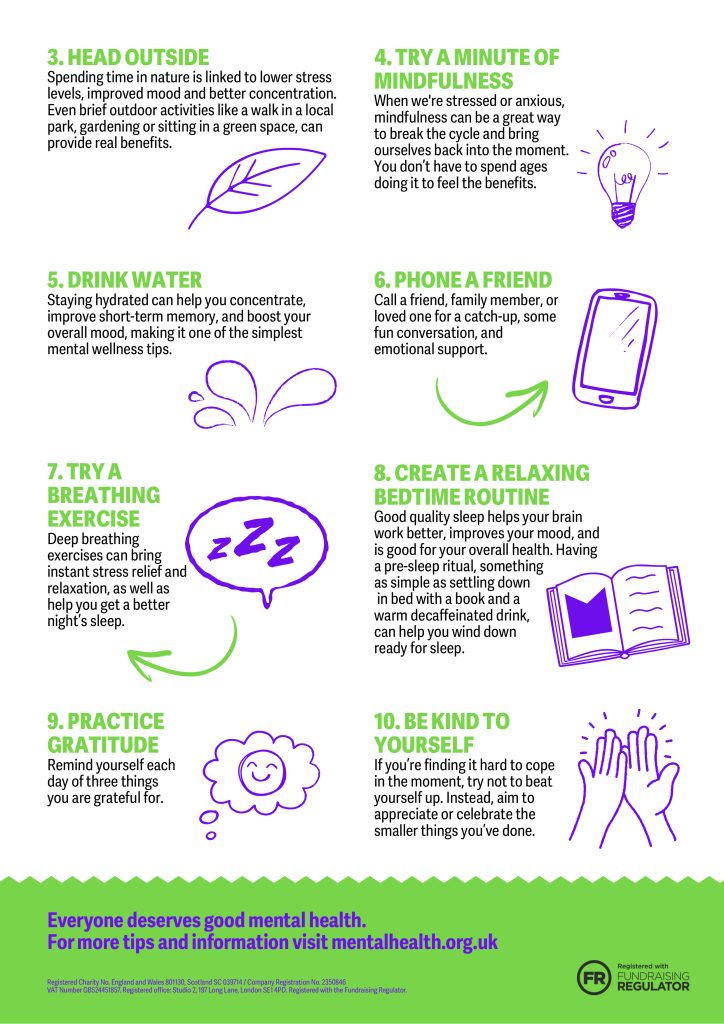
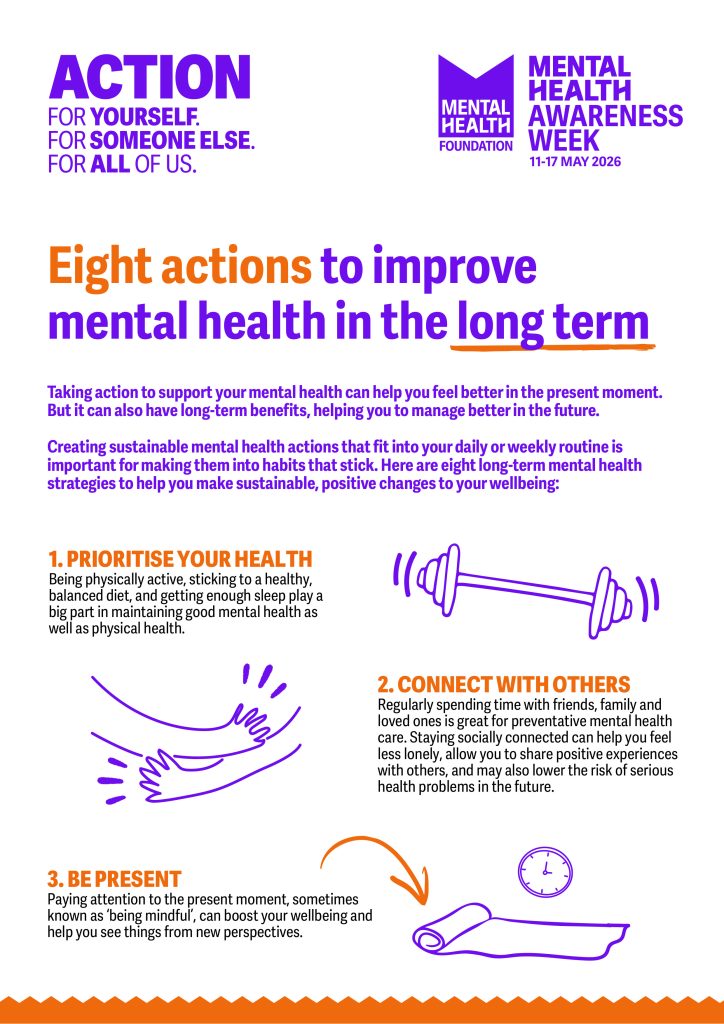
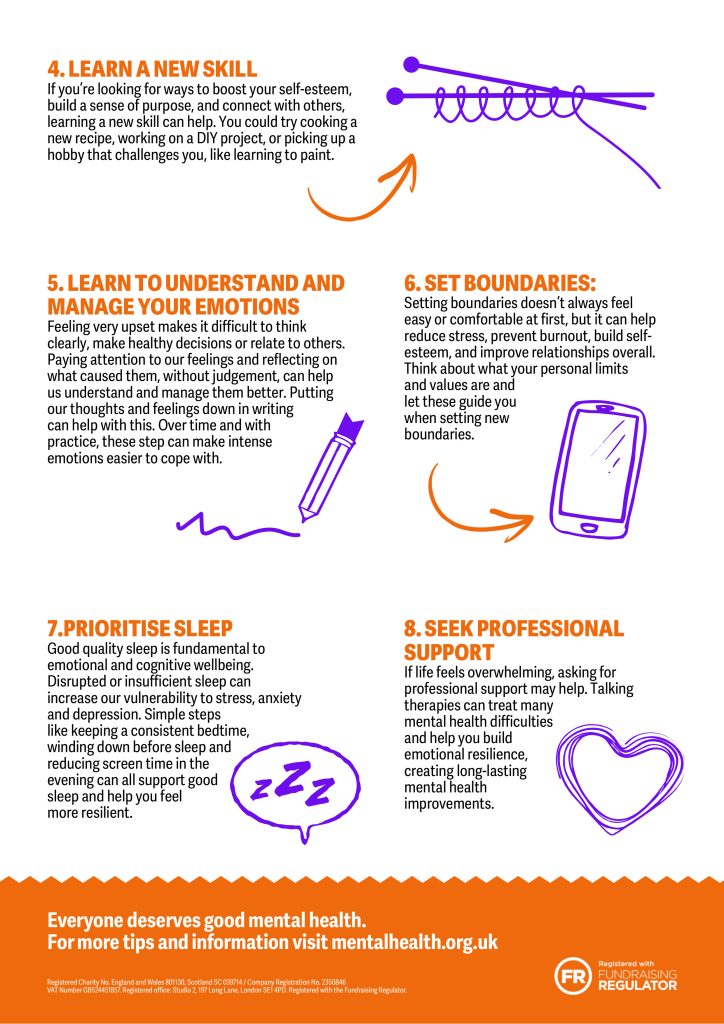
NHS Five Steps to Mental Wellbeing – This is the inspiration behind our annual Wellbeing Week: www.nhs.uk/conditions/stress-anxiety-depression/improve-mental-wellbeing/
MindEd – Are you a parent or carer who is concerned about the mental health of your child or teenager? Do you just want some hints and tips on parenting? MindEd for Families has advice and information from trusted experts and will help you to understand what problems occur, what you can do to best support your family, and how to take care of yourself. MindEd for Families is written by a team of specialists and parents, working together. https://www.minded.org.uk/
Public Health Cumbria 5 to 19 – A wealth of information with fact sheets for parents and young people on health, illness, digital wellbeing, mental health and wellbing, smoking drugs and alcohol and relationships, puberty and sex. https://cumbria.gov.uk/ph5to19/offer.asp
Family Lives – is a national family support charity providing help and support in all aspects of family life. We’re here for you. We listen, support and never judge. We believe that happy children come from happy families. https://www.familylives.org.uk/
The Charlie Waller Memorial Trust – has free resources for parents and professionals and others interested in mental and emotional wellbeing including an emotionally healthy approach to GCSEs, social media and teenagers and self-harm and depression. https://www.cwmt.org.uk/resources
Childline for Younger Children – Childline has launched a website aimed at children under the age of 12. This provides a range of age appropriate content and includes games and therapeutic tools for young visitors to play and express how they are feeling. It will be promoted through the NSPCC’s Speak out Stay safe programme. https://www.childline.org.uk/kids
Anna Freud National Centre for Children and Families – Self-care is about the things we can do to look after our own mental health. Young people say that when they are struggling they are usually told to see a professional. They don’t often get much advice about how they could help themselves. This organization spoke to professionals and looked at academic research, then drew up a list of strategies young people use. (www.annafreud.org/on-my-mind/self-care/)
Every Mind Matters (NHS) – Having good mental health helps us relax more, achieve more and enjoy our lives more. There are simple things we can all do to look after our mental health and wellbeing – take the quiz to get started with a free plan, expert advice and practical tips. (https://www.nhs.uk/oneyou/every-mind-matters/)
West Cumbria MIND have lots of information about support for all member of the family. http://www.mindincumbria.org.uk/region/westcumbria.aspx

The online world is a central part to a young person’s world view. The vast majority of online experiences are positive and helpful but all young people and their parents need to be aware of the dangers of the online world. The following links, from the NSPCC, will provide information that may be helpful:
https://www.nspcc.org.uk/keeping-children-safe/online-safety/talking-child-online-safety/
https://www.nspcc.org.uk/keeping-children-safe/online-safety/inappropriate-explicit-content/
https://www.nspcc.org.uk/keeping-children-safe/online-safety/livestreaming-online-video-apps/
https://www.nspcc.org.uk/keeping-children-safe/online-safety/internet-connected-devices/
https://www.nspcc.org.uk/keeping-children-safe/online-safety/parental-controls/

Bereavement is difficult at any age and getting the right support to help you through your grief is essential so that you can continue to live your best life. Child Bereavement UK and Cruse Bereavement Support offer support to individuals struggling with grief, including young people. Cruse also have a website dedicated to Young People who are struggling with grief called Hope Again. This website provides online support and videos to help young people understand and deal with their grief.
https://www.childbereavementuk.org/
https://www.cruse.org.uk/
https://www.hopeagain.org.uk/